Sentinel
Intelligence
Augmented intelligence for campuses
From your cameras to answers. Private, on your network.
Six programs that run on the cameras your campus already owns, plus any you add. Our models, on your hardware. Or a frontier model your district has already approved. Your call.
Who this is for
Four kinds of campus, one system under all of them.
K-12 districts
Many buildings, one small security team, and a bus loop twice a day. Cameras at every school and nobody with time to watch them.
Private schools
An open campus, a parent community that expects answers, and no district police force behind you.
Community colleges
Commuter traffic, large parking lots, evening classes, and buildings that stay open well past the last period.
Universities
A city inside a campus: residence halls, parking structures, stadiums, labs, and Clery reporting on top of all of it.
Your campus today
The cameras went in. The watching never did.
93%
of public schools already use security cameras, up from 61% in 2009-10. Almost none of them are watched live.
3m 18s
the average duration of an active shooter incident in education in 2024. Average police response was 1m 48s. It is usually over before anyone arrives.
61%
of public schools had security staff on site at least once a week, down from 65% before the pandemic.
2%
of public schools run daily metal detector checks. For almost every campus, controlled access means a locked door and nothing watching what comes through it.
$192K
one 24/7 staffed post for a year at a $22 hourly bill rate. One box watches every camera on every building you already own.
Sources: NCES School Survey on Crime and Safety 2021-22, via Condition of Education indicator A19 (93%, 61%, 2%) · FBI Active Shooter Incidents in the United States 2024, with the ALERRT Center at Texas State (3m 18s, 1m 48s) · 2026 security staffing rate guides, $22 per hour unarmed, 168 hours a week × 52 ($192K)
How it works
From your cameras to answers. Private, on your network.
Door 7 was propped on 14 school days this month, always in third period. Dismissal runs long on the same days.
Step 1 · Plug in
Works with any ONVIF/RTSP camera, across every building in the district. Most campuses add a few where they want data they do not capture today.
Step 2 · Combine
Cameras become data, joined with the systems you already run: the SIS, the badge readers, the bell schedule, the bus routes.
Step 3 · Deliver
Warnings, insights and answers, sent to the front office, the SRO and the district, wherever they already are.
Our models, on your hardware. Or a frontier model your district has already approved. Your call.
Program 01 · Perimeter and Entry
The campus edge held, fence line to front door.
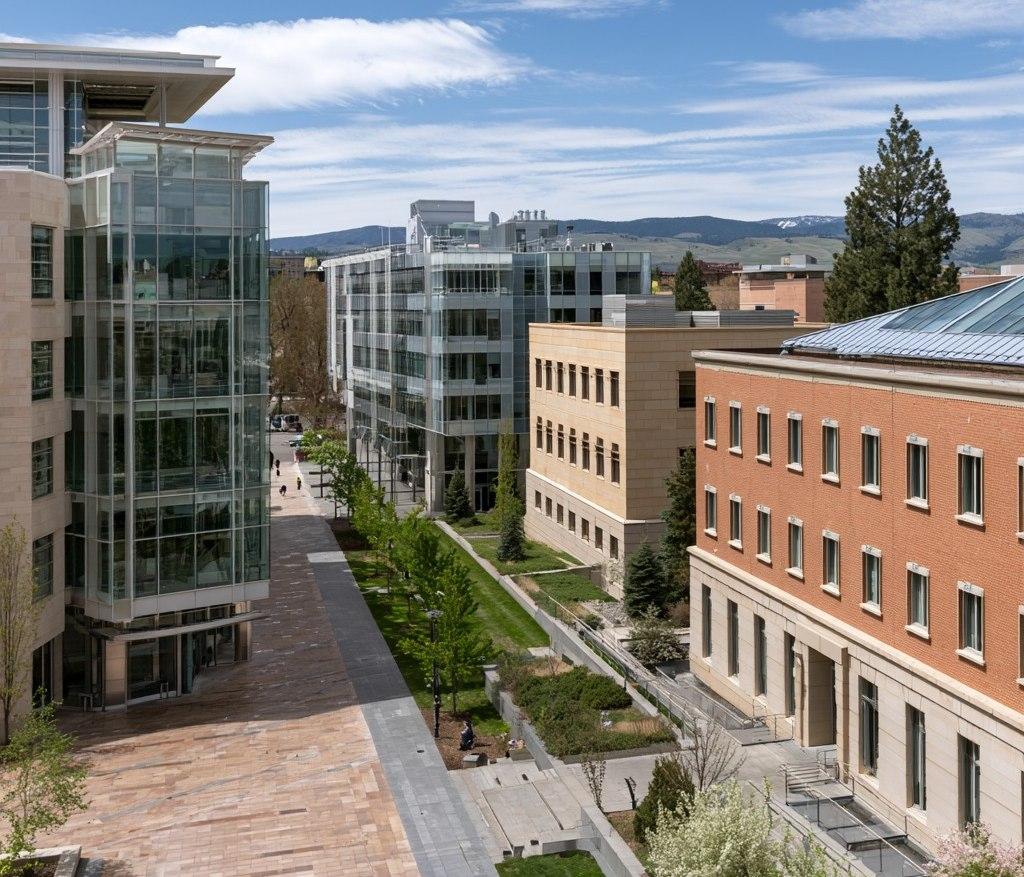
Propped and forced doors
The single most common way an unauthorized person gets in. A door held open past its threshold raises an alert at the front office while it is still open.
97%
Of public schools control access to buildings during school hours
Fence line and tree line
The back of the athletic fields, the service road, the lot nobody can see from the office. A line crossed after hours is a notification, not a Monday morning discovery.
Plates at the lot
Every plate read and checked against staff, student and approved visitor lists. An unknown vehicle idling by a building at 2am gets flagged.
Visitors who never checked in
Someone in a corridor who never passed the front office. Zone based, no identity needed, no facial recognition required.
Sources: NCES School Survey on Crime and Safety 2021-22, controlled access to buildings (97%)
Program 02 · Threat
Seconds, not minutes, between seeing and acting.
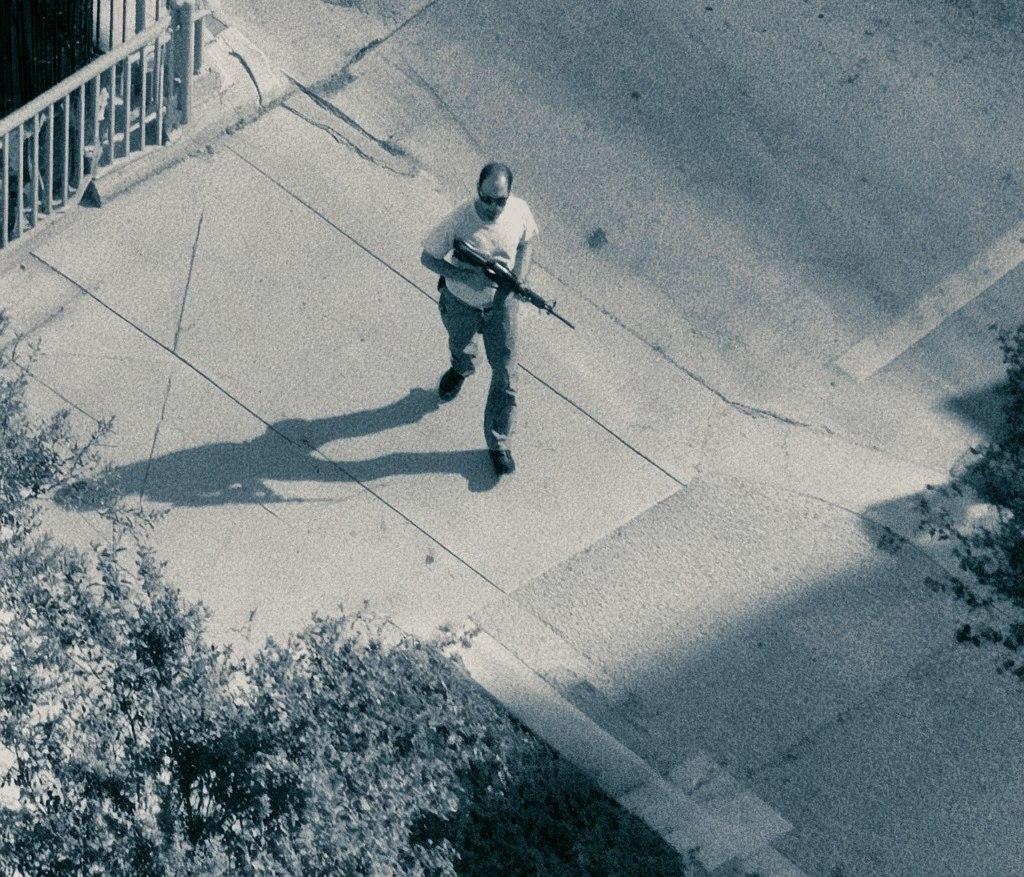
Exposed weapons
A firearm visible in a parking lot, at a fence, or in a corridor is flagged the moment it appears on any camera, with the clip and the location attached.
3m 18s
Average duration of an active shooter incident in education, 2024
Lockdown, started by the system
The alert goes to the front office, the SRO and the district at once. The decision stays with a person, the seconds before it do not.
Fights and assaults
Physical altercations in corridors, cafeterias and locker areas, detected as they start rather than reported after.
Restricted areas, off hours
The chemistry store, the server room, the field house at midnight. A line crossed fires immediately.
Sources: FBI Active Shooter Incidents in the United States 2024, education environments, with the ALERRT Center at Texas State · Pairs with Metrasens, Evolv or SafePointe weapons detectors
Program 03 · Campus Life
The problems that never make it into a report.
Where it actually happens
Bullying and fights cluster in the same stairwells, corridors and blind corners. The heatmap tells you where to put an adult, not just that there is a problem.
Bathroom and vape corridors
Occupancy and loitering outside bathrooms, without a camera inside one. Zone counts only, never identity.
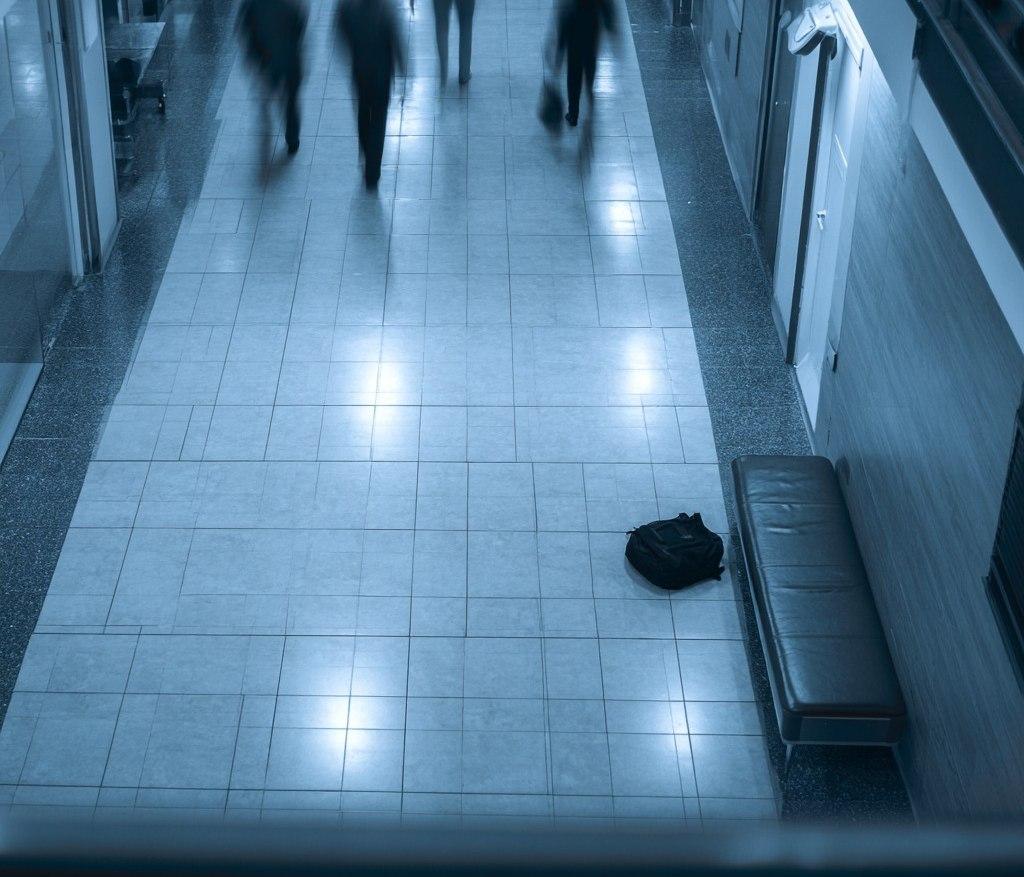
Unattended items
A bag left in a corridor or a lobby past a threshold, surfaced before anyone has to decide whether it matters.
After hours and weekends
Who is on the grounds when the buildings are closed, and which door they used to get there.
Zone based detection only. No facial recognition and no cameras in bathrooms, locker rooms or classrooms.
Program 04 · Operations
Arrival, dismissal, and everything in between.

Bus loop and car line
How long dismissal actually takes, which days run long, and where the queue backs onto the road. Measured every day instead of guessed at once a year.
Cafeteria and common spaces
Queue length, peak minutes and seat utilization, so staffing matches the day you actually have.
Space utilization
Which rooms, labs and shared spaces are used and when. The evidence behind a bond request or a scheduling change.
Multi-site rollup
Every building in the district side by side in one view, rather than fourteen principals with fourteen answers.
Camera telemetry joined with your existing systems, on your network · joinsentinel.us
Program 05 · The alert engine
Warnings and insights in real time, to every stakeholder.
Propped open during third period
Weapon flagged at the fence line
Three patterns outside the 30-day normal
Alert Engine
Verify, then route
Second AI pass
Confirmed before anyone sees it
Severity bands
A weapon is a call. A propped door is a note
Per-camera rules
The bus loop is not the chemistry store
Routed by role
Front office, SRO, district
Door 7 propped open, six minutes. Clip attached.
Weapon at the north lot fence line. Location and clip attached.
3 findings: Door 7, dismissal times, east corridor.
Alerts fire as the data is dissected. Reports land with the district weekly · joinsentinel.us
Program 06 · G-SOC
Your command center, built, staffed and run by Sentinel.
Forward looking. Offered once your campus is live, not part of the pilot.
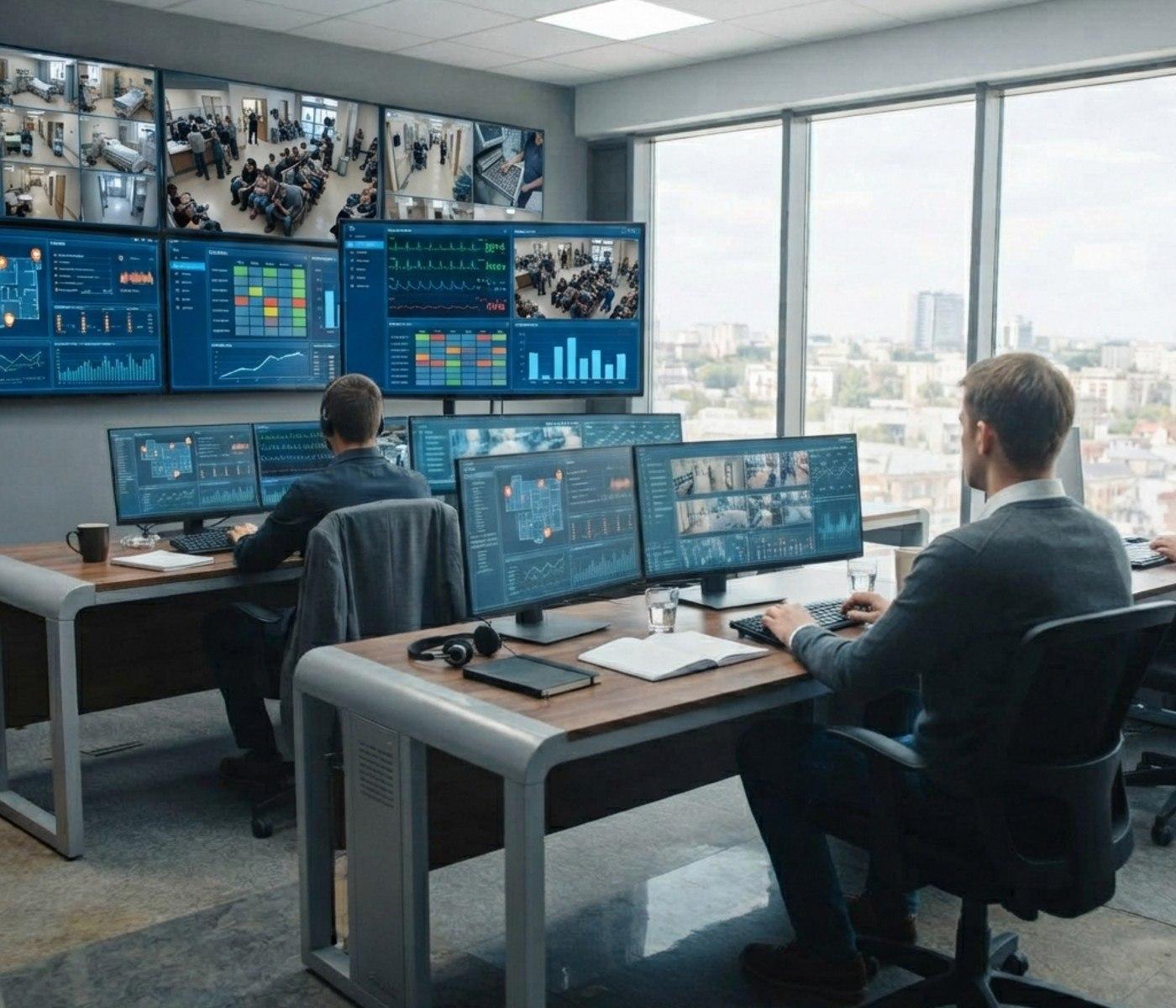
Review, not watch
Operators review AI detections as they come in. Nobody stares at sixty feeds on a wall, least of all a front office secretary.
Verify, then push
A person confirms every alert, then pushes it to the front office, the SRO or district security. 24 hours a day, including the hours school is closed.
One room, every building
Alerts, feeds and dashboards from every school in the district land in one place.
Staffed and logged
US-based, run by Sentinel. Acknowledge, escalate, resolve, every step timestamped for the record.
Set up on site or remote · Priced separately, added when you are ready
How it ties together
One core system. The expandable backbone for our programs.
Sentinel
Every program we offer runs on the Sentinel backbone. Once installed, we keep adding programs at minimal cost.
The math
This pays for itself, line by line.
93%
of public schools already own the cameras. The capital spend happened years ago. This is the part that makes them work.
3m 18s
average incident duration in education. Police averaged 1m 48s to arrive. The gap is where a detection layer earns its place.
$192K
one 24/7 staffed post for a year. One box covers every building you already have cameras in.
2%
of schools screen with metal detectors daily. For the other 98%, the camera is the only thing at the door.
Sources: NCES School Survey on Crime and Safety 2021-22 (93%, 2%) · FBI Active Shooter Incidents in the United States 2024, education environments (3m 18s, 1m 48s) · 2026 security staffing rate guides, 168 hours a week × 52 at $22 per hour ($192K)
The pilot
One building. One entrance. One lot. Live in 60 days.
Day 0
Install
One box. Your cameras, new ones at the doors that need them.
Weeks 1–5
Fine tuning
Doors, corridors and the bus loop learn your campus.
Day 30–60
Baseline
Analytics calibrate to your normal school day.
Day 60
Decision
Results to the board. Scale or stop.
We handle everything. Camera installs, technology purchases, and the software that ties it all together.
Sentinel
Intelligence
Augmented intelligence for campuses
Troy Heidtmann · joinsentinel.us